Quick answer
Feeling tired after meals or craving sugar at night? Understand what insulin resistance feels like in daily life—and how Feel Greats can help you listen to your body.
- What does insulin resistance feel like in daily life?
- Why this matters for you—and how a personalised report can help
- What can you do right now?
- Learn more about insulin resistance and related wellness topics
- Insulin resistance
- Blood sugar support
- Metabolic support
- Energy & fatigue
- Cravings support
- Skin support
- Digestive support
- Liver inflammation support
#What does insulin resistance feel like in daily life?
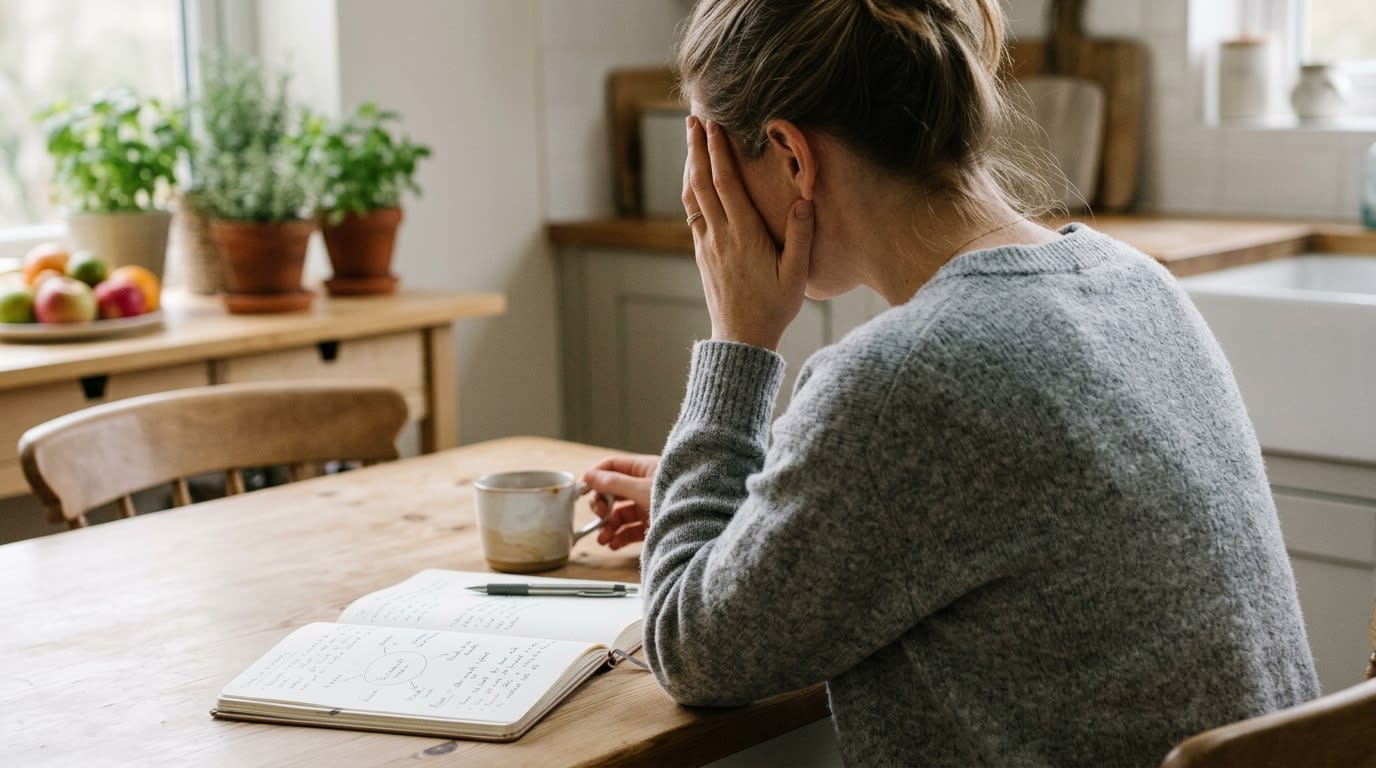
You might find yourself reaching for snacks mid-afternoon or feeling unusually tired after a meal, even if it was meant to be healthy. That 3pm slump you can’t quite shake, or the late-night cravings that feel unstoppable—these are quiet signs your body might be struggling to balance blood sugar properly. It’s not just about willpower or eating habits; it’s about how your cells respond to insulin, the hormone that helps your body use sugar for energy.
#Why this matters for you—and how a personalised report can help
When insulin resistance starts, your cells don’t respond as well to insulin. This means your body needs to produce more to keep blood sugar in check. Over time, this can feel like a constant energy rollercoaster, mood dips, or even unexplained bloating after meals. It’s easy to feel alone in this, but many people experience it quietly. Understanding your unique pattern can feel empowering rather than overwhelming.
A personalised wellness report from Feel Greats can gently map out your symptoms and lifestyle factors, helping you see the connections clearly. It’s about listening to your body’s story, not fighting it.
#What can you do right now?
Here are a few small steps to start tuning in:
- Notice when cravings hit and what kind of foods you reach for.
- Pay attention to your energy levels before and after meals.
- Keep track of any digestive discomfort or unusual bloating.
- Consider how stress and sleep might be playing a role.
These insights can form the foundation of your personalised report, guiding you toward the right support and information.
#Learn more about insulin resistance and related wellness topics
If you want to explore this further, you might find it helpful to read Insulin resistance, in plain English for a clear overview. Also, our article on Why you’re tired at 3pm — and what actually helps dives into how blood sugar and metabolism affect your daily energy.
Remember, wellness is deeply personal. If you have specific health concerns or symptoms, a chat with a healthcare professional can offer tailored advice alongside your personalised report.
Learn more
Insulin resistance, in plain English
Insulin resistance often shows up first as energy crashes, sugar cravings and stubborn belly weight — long before any blood test flags it. The good news: most people see real change with consistency, not extremes.
Learn more
Fatty liver: surprisingly common, very reversible
Most people are diagnosed with fatty liver during a routine blood test, with zero symptoms. The encouraging part: it's one of the most reversible conditions on this list, with the right consistent habits.
Take the 3-minute assessment.
We'll build a personalised plan and recommend exactly the right products — no guesswork, no upselling.
Wellness, not medical advice. This article is for educational purposes only and is not a substitute for professional medical advice, diagnosis or treatment. Always consult your GP or qualified healthcare professional before starting any new regimen.